
Our impact
SmackTalk was created from a tragedy no family should ever face. Today that lived experience is driving a cultural shift across Australia, and the data shows why a single conversation matters.
Suicide in Australia: the facts
3,307 marks. One for every Australian lost to suicide in 2024.
That is about 9 people a day. The marks at the start are a single day, or one life roughly every 2 hours and 39 minutes.
Source: ABS Causes of Death, Australia, 2024Australians lost to suicide in 2024
Source: ABS, 2024young people are touched by suicide before they turn 25
Source: Suicide Prevention Australiahigher rate for men than women
Source: ABS, 2024of deaths had at least one recorded risk factor
Source: ABS, 2024The most recent ABS data (2024 Causes of Death) shows 3,307 Australians lost their life to suicide, a rate of 11.8 per 100,000 once population changes are accounted for. It was the leading cause of death for people aged 15 to 44, and the median age at loss was 46, well below the average of 82 across all causes. That points to a disproportionate loss of years still ahead.
The impact reaches far beyond those directly affected. Over seven million Australian adults are close to someone who has experienced suicide or a suicide attempt.
Some patterns hold year on year. Men are around three times more likely than women to lose their life to suicide, accounting for over three-quarters of cases. Aboriginal and Torres Strait Islander people are affected at roughly twice the rate of non-Indigenous Australians, and at a notably younger age. Rates are also markedly higher in regional and remote Australia than in the capital cities. Risk is rarely explained by a single factor: around 80% of those who died had at least one recorded risk factor, most often psychosocial, such as relationship breakdown, a mood disorder or a previous experience of self-harm.
This section discusses sexual blackmail, coercion and the grooming of minors. Read at your own pace.
Sexual extortion
Image-based abuse happens when someone shares, or threatens to share, an intimate image or video of a person without their consent. Sexual extortion is a common and growing form, where a perpetrator uses a nude or sexual image to pressure someone, typically demanding money, cryptocurrency, gift cards, gaming credits or further sexual content.
eSafety describes a few common patterns. Some perpetrators build a fake profile to gain trust quickly, then trade intimate images before threatening to share them with family, friends or colleagues. Others falsely claim to have accessed a device or account, sometimes citing an old password to seem convincing. A further pattern involves an adult building a false sense of closeness with someone under 18 to obtain images or sexual content, then using threats to keep them compliant. Any sexual activity between an adult and a child, in person or online, is child sexual abuse.
eSafety's core advice if you are being pressured: do not pay, do not send further money or content, and stop all contact with the person responsible. This is never the fault of the person being targeted, even if an image was originally shared willingly. eSafety can help get content removed and, in some cases, take action against the person responsible; police may also be able to investigate.
AI and online harm: new data
teens experienced online sexual victimisation before turning 18
Source: Adelaide University, 2026of those affected said AI was involved
Source: Adelaide University, 2026affected young people told no one at all
Source: Adelaide University, 2026A 2026 national study led by Associate Professor Timothy Cubitt and colleagues at Adelaide University, in partnership with ICMEC Australia and the Australian Centre to Counter Child Exploitation, offers the first population-level picture of how AI is changing the online sexual victimisation of children. It surveyed 1,894 nationally representative 16 to 18 year olds.
Close to one in six (14.9%) had experienced online sexual victimisation before turning 18, through the non-consensual sharing of a sexual image or online sexual solicitation by an adult. Girls were affected at significantly higher rates. Including friends' experiences, more than one in four young people had been affected or knew someone who had.
One in seven of those affected said AI was involved, rising to one in four for non-consensual image sharing. Here the usual gender pattern reverses: boys are significantly more likely to report AI involvement. Disclosure to an AI chatbot was more common than to any authority figure, including a teacher, police or a helpline, and more than one in three young people told no one at all. Over one in three teens now ask AI for life advice weekly.
A single conversation can change everything
The one that sticks most in Wayne's mind is a 15-year-old boy who snuck into his presentation, designed for people 17 and older, with his parents. The boy called him later that afternoon.
He was in crisis, and told Wayne he was not in a good way.
Wayne told them to stay where they were and went straight to them. He rang Lifeline with them and stayed for the call. The teen got help immediately and has continued with counselling. He calls Wayne most evenings to let him know how he is going.
Wayne is quick to point out that he does not provide counselling. In this case, he was a friendly voice and support. It is the sort of case that tells him SmackTalk works.
Such a credit to you for turning this tragedy into a positive message for others. It prompted a conversation in our house, so you already had an impact.
Every conversation can save a life
Book a session →Follow us
- SmackTalk @smacktalk2106
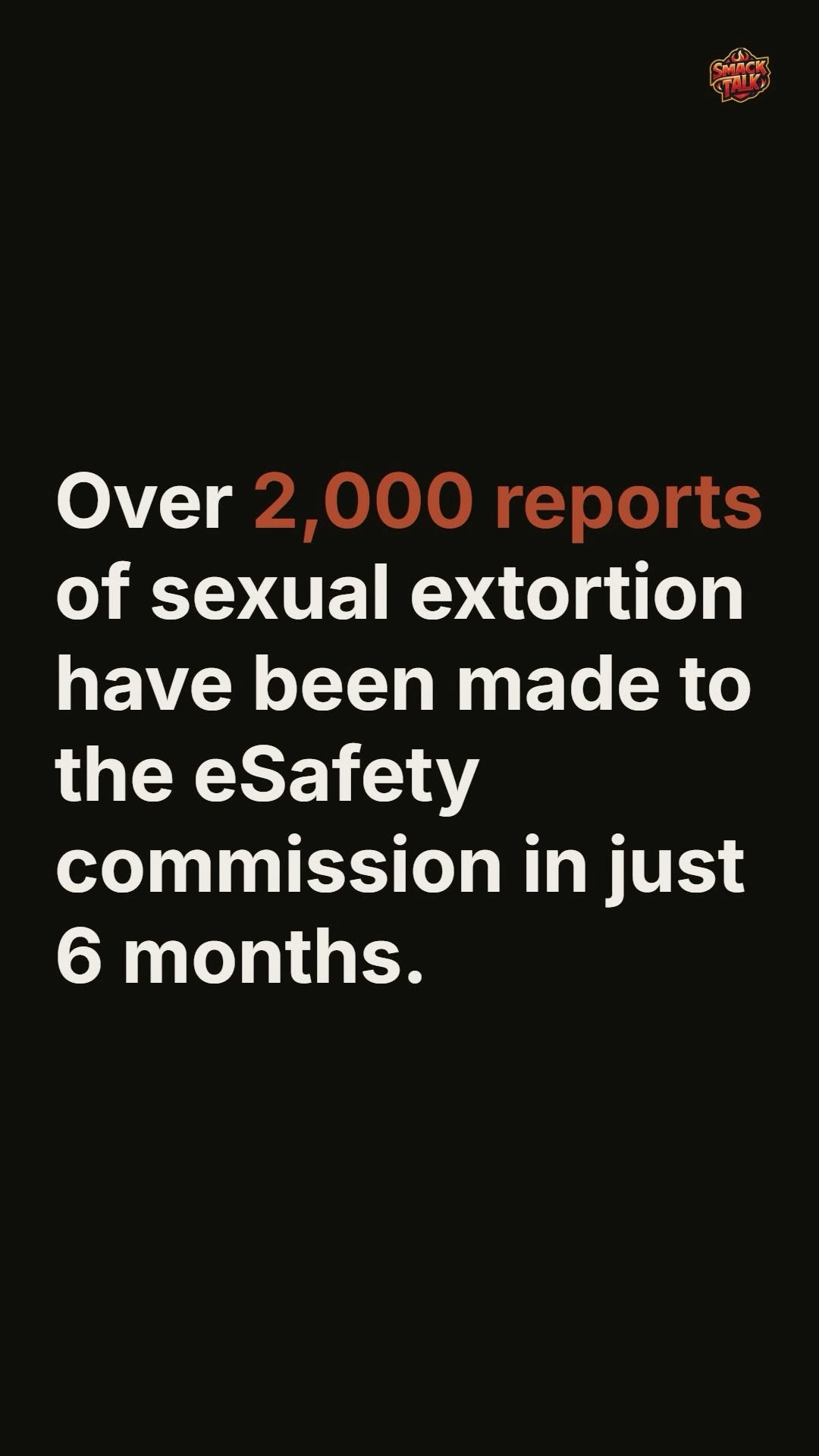
Over 2,000 reports of sexual extortion were made to the eSafety Commission in just six months.
 View on Instagram
 - SmackTalk @smacktalk2106
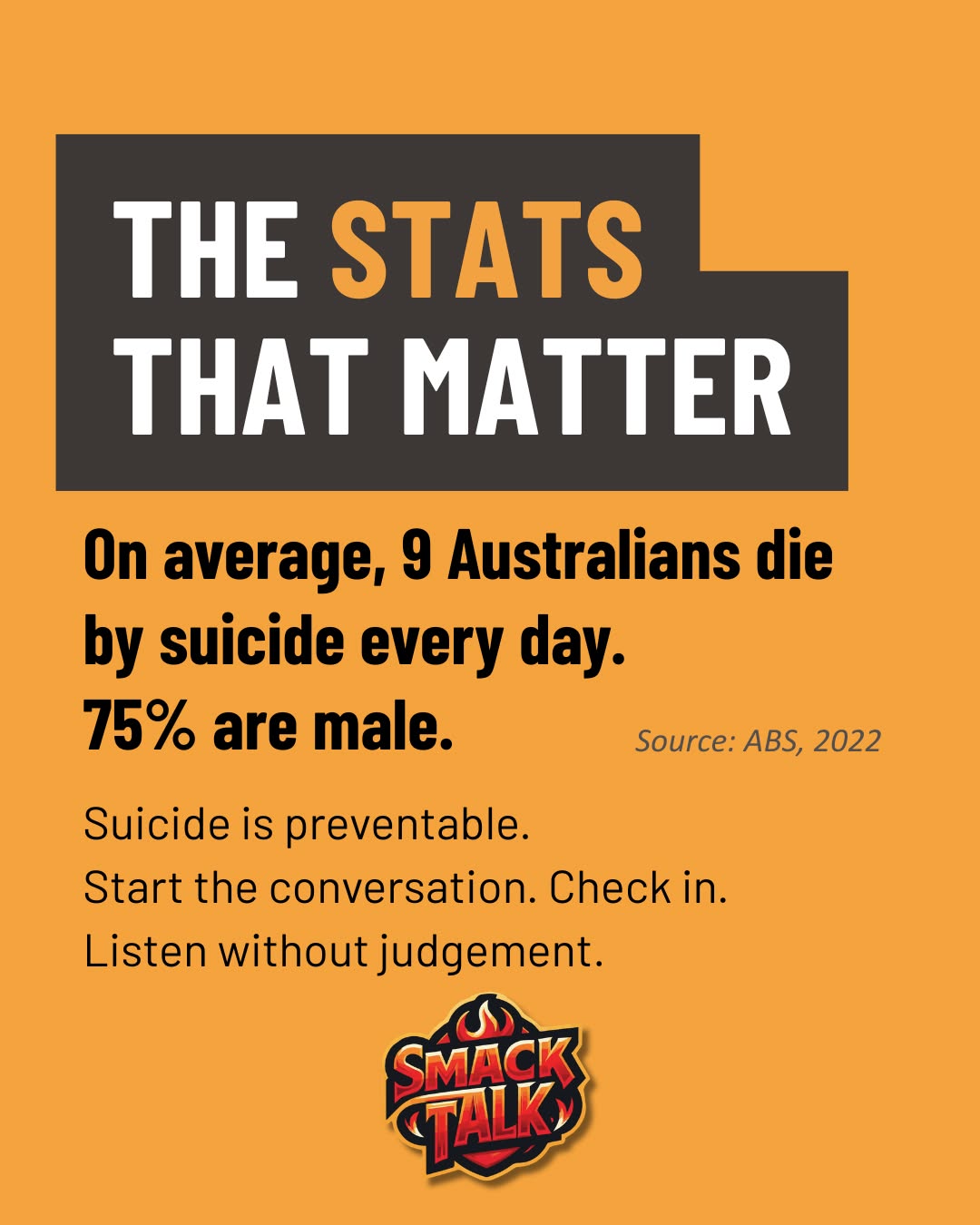
The stats that matter: on average, 9 Australians die by suicide every day, and 75% are male. Suicide is preventable. Start the conversation, check in, and listen without judgement.
 View on Instagram
 - SmackTalk @smacktalk2106
Need support? Whether it’s you or someone you know, help is always available. Listen, support and act.
 View on Instagram
 - SmackTalk @smacktalk2106
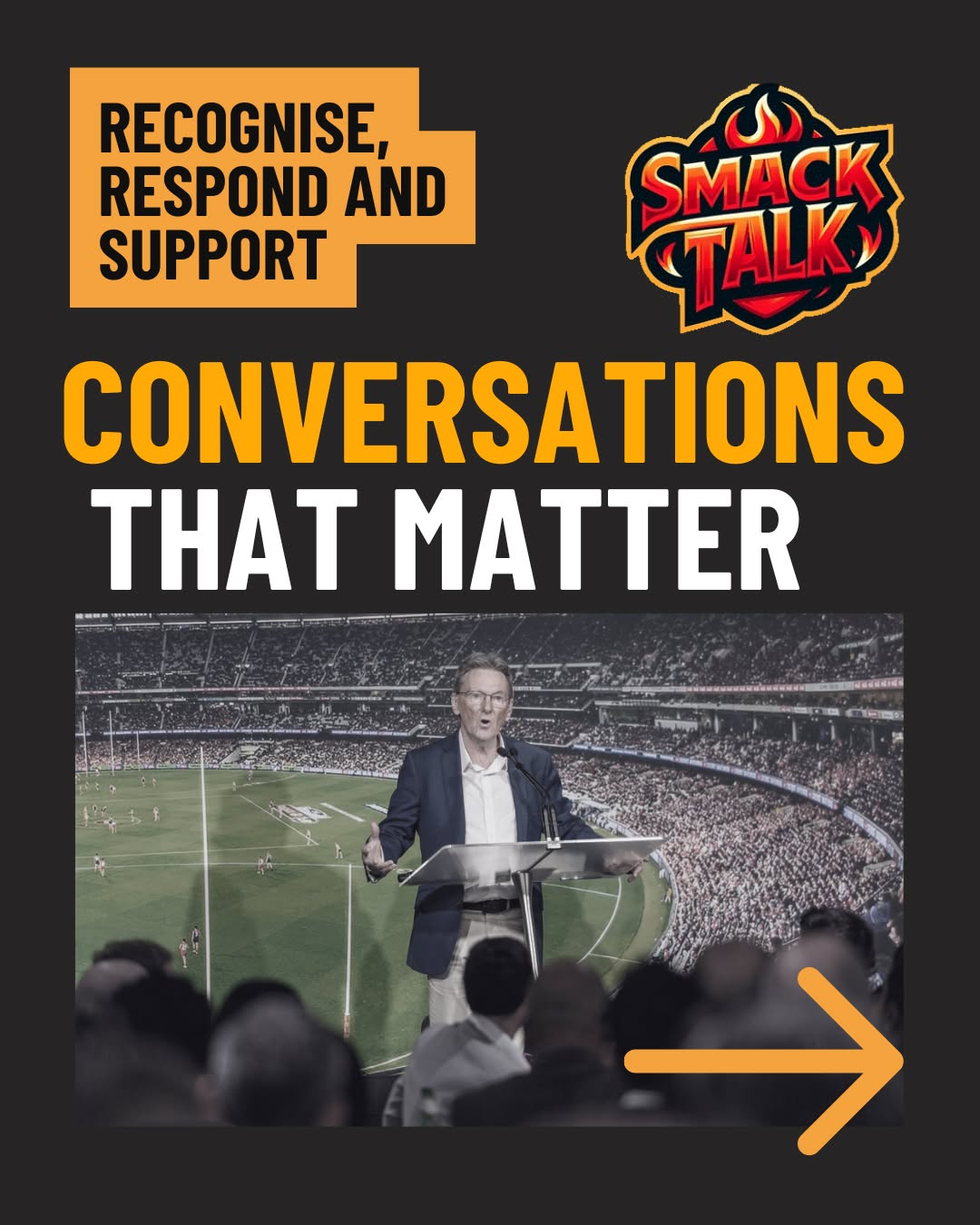
Conversations that matter: how to recognise, respond and support someone who’s struggling.
 View on Instagram
 - SmackTalk @smacktalk2106
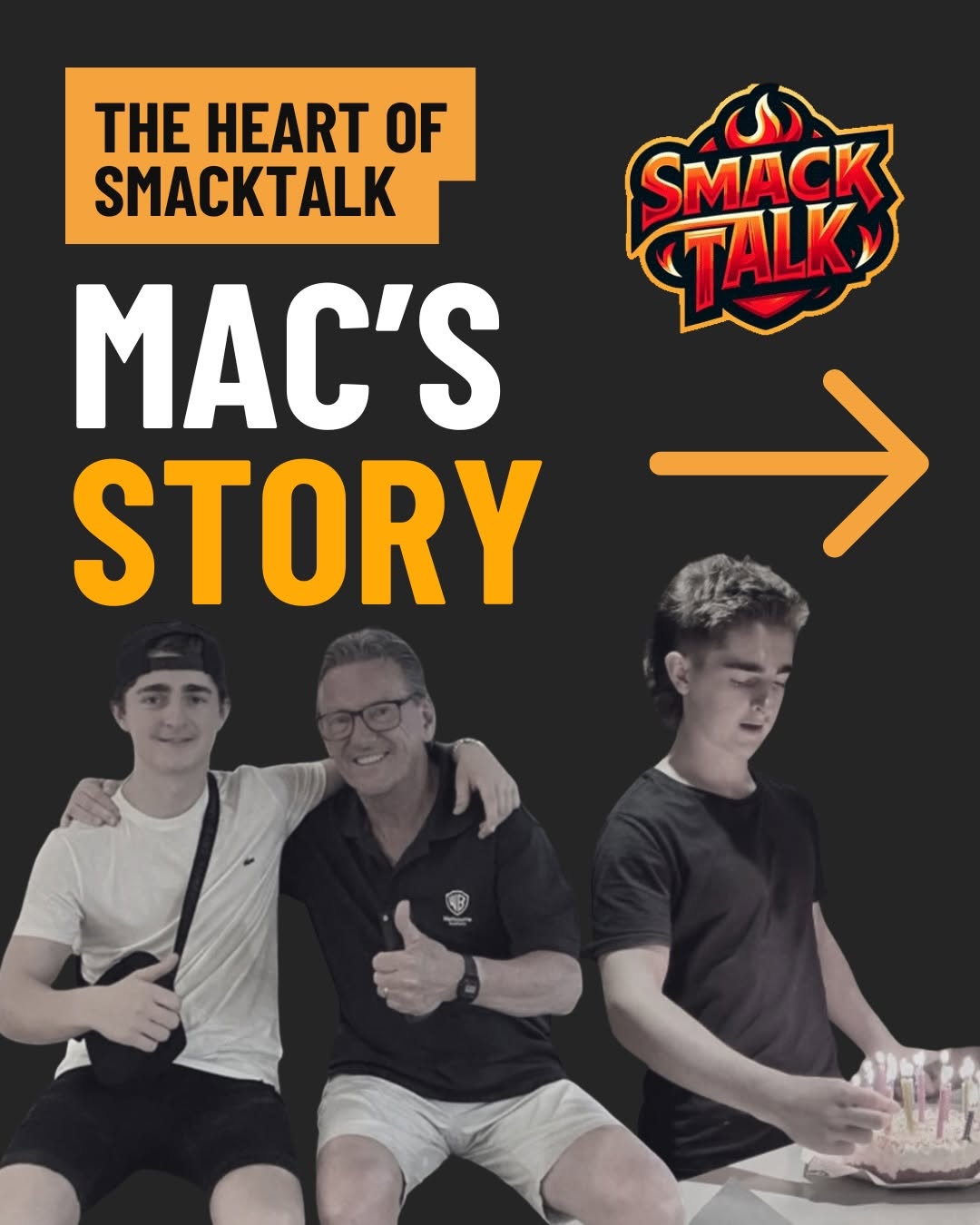
The heart of SmackTalk: Mac’s story. 🧡
 View on Instagram